Preface
Almost twenty years ago I took a school field trip with the late professor Diane Lewis up Park Avenue, from Grand Central Terminal on 42nd Street to The Lever House on 53rd, which became the inspiration for a walking tour I developed and have given multiple times. Its topic– the urban evolution of that corridor into one of the richest land tracts in the country– may seem easier to explain with historic photographs, maps, and charts than from the ground looking up, but it isn’t. In fact, during the tour, I illuminate how seemingly abstract phenomena as development rights and rail operations are plainly visible just by knowing where to look.
Then, 5 years ago, Charlotte bought me a ticket to a course taught by Annie Novak for Atlas Obscura called How To Read A Landscape. Annie Novak has been cultivating a life of urban naturalism for many years, primarily being the steward-in-chief of the Eagle Street Rooftop Farms in Greenpoint. In each class, she showed us photographs of northeastern landscapes– some untamed, some deeply urban– and over the course of an hour shepherded us toward answering the whats, wheres, whens, and whys of that scene. Naming names was de-emphasized, especially the casual sense of finality that it brings, in exchange for empirical descriptions of objects and phenomena, meandering toward an understanding that always glimmered through the underbrush. Annie quietly turned on a switch.
Then, last year, I read two standout books which I realized share the same outlook: These Trees Tell A Story by Noah Charney and Outside Lies Magic by John Stilgoe. They discuss the world around us phenomenologically, blending history, ecology, psychology, and a mischievous curiosity. Outside Lies Magic is a simple ode to going on walks, but These Trees Tell A Story in particular felt simultaneously revolutionary and familiar to me. Based on a class that Charney teaches at the University of Maine called Field Naturalist, each chapter begins with a photographic collage, taken by Charney while bushwacking in the woods, then slowly parses what natural forces can be seen at work. Why are the plants on the left darker than the plants on the right? Why are the trees all dead here? Its style is neither pedantic nor solipsistic, but didactic and concrete. The switch of mindfulness that Annie Novak flipped half a decade ago became a humming current.


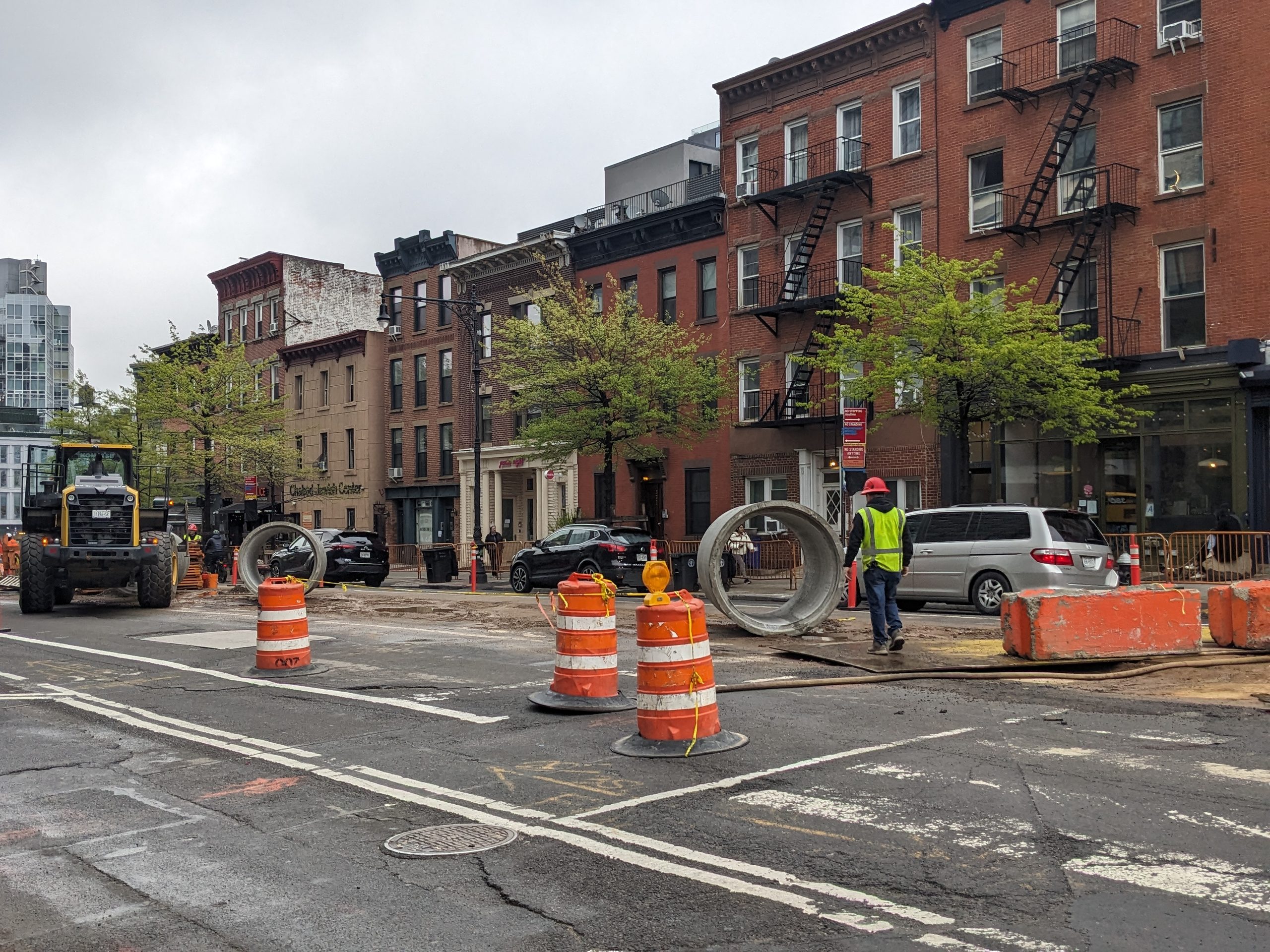
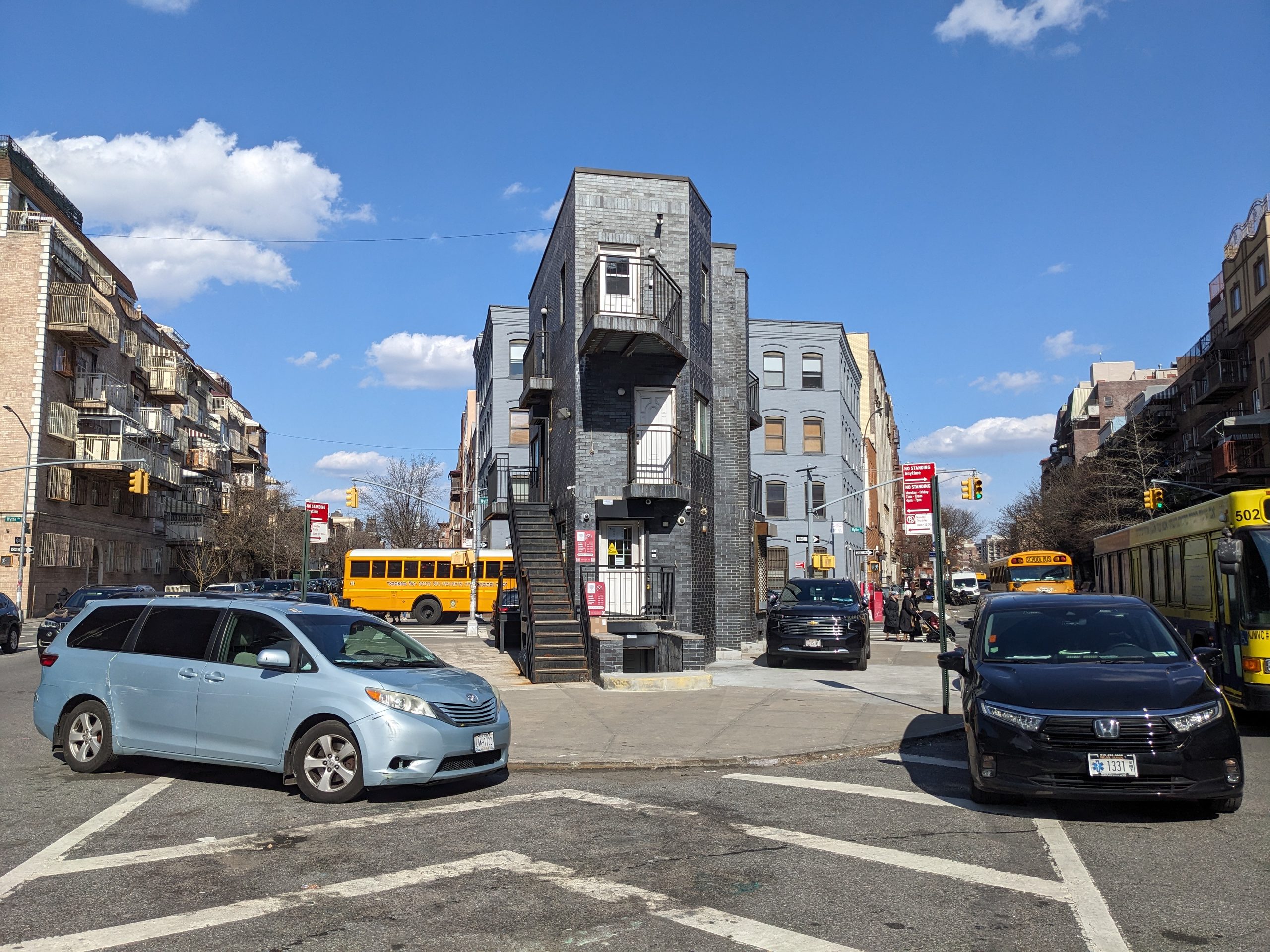
Having grown up pushed down many paths, I am continually enthralled with how all of those paths eventually lead to architecture. Call it confirmation bias, but my profession has a knack for accepting many ways of practicing it, be it through drawing, photography, speaking, reading, building, organizing, or managing. It is a gift I want to share. My proposition is simple: do what Charney does, but in cities. Call it Field Urbanist. For each session I take the class for a walk in the city, rain or shine, hot or cold, pausing in a pre-determined locus, then observe, sketch, photograph, and discuss what we see. Why does the brick change color here? Why is this part of the street wet, and that part dry? Why are people only walking on that side? Students will learn to read the cityscape spatially and temporally and articulate its basic workings.
Here’s a draft syllabus of that course.
FIELD URBANIST: How to Read the City
Seminar / Field Laboratory
Course Description
Field Urbanist is a seminar about attention.
Borrowing from natural history, journalism, drawing, photography, oral history, and the scientific method, Field Urbanist teaches students to read the city as evidence. The form of the city around us– buildings, trees, curbs, crowds, storefronts, signs, manholes, vacant lots, and property lines– all contain clues about the invisible forces that shape the built environment.
Inspired equally by Noah Charney’s These Trees Tell a Story, Jan Gehl’s Urban Life Data Protocol, and Teju Cole’s Open City, the majority of this seminar takes place outdoors, in a select urban place each session. With cameras and sketchbooks in hand, students begin with patient observation, and are challenged to look closer, question further, observing and deducing why things are the way they are.
New York City’s urban fabric has endless information and narrative embedded within it. Our task is to learn how to observe & decipher.
Class discussions will resist historiographic tendencies to explain cities too quickly. Cities do not reveal themselves systematically, and neither will the course. Our discussions will often meander. This is intentional. Students will learn to notice things better and, with luck, discover that they already know more than they realize.
Lastly, this course will draw on a diverse range of reading sources beyond traditional history books in order to illuminate how cities are organisms whose life is codified in real time in social media, community board newsletters, flyers, city agency reports, signage, and more. Students will practice gleaning these sources to understand how urban policy manifests.
Learning Objectives
By the end of the semester students should be able to:
- Read unfamiliar urban environments.
- Conduct field research through observation, interviewing, and archival inquiry.
- Describe the function of urban policymaking.
- Use drawing as a tool of investigation.
- Observe rigorously and patiently.
- Generate hypotheses from physical evidence.
- Connect material conditions to larger social, economic, ecological, and political systems.
- Ask better questions.
The Semester Project
During Weeks 1 and 2, each student will identify three unexplained urban observations. Examples: an oddly shaped building, an oversized street tree, an empty lot, an unusual curb cut, a mysteriously placed hydrant…. One of these observations will become a semester-long investigation.
Final Project: Biography of an Observation
A field guide documenting the life story of a single urban phenomenon through:
- Drawing
- Photography
- Mapping
- Interviews
- Archival research
- Technical investigation
- Written narrative
Weekly Schedule
Week 1: Not Knowing
Question: What can you learn about a place before anyone explains it to you?
Readings
- Georges Perec, An Attempt at Exhausting a Place in Paris
- Teju Cole, selections from Open City
- Rebecca Solnit, Wanderlust
Assignment: Three Mysteries
Spend at least three hours wandering alone. Document three things you notice but cannot explain. No research permitted, only sketches, photographs, and notes.
Week 2: Evidence
Question: How much can we infer without specialized knowledge?
Readings
- J.B. Jackson, Discovering the Vernacular Landscape
- John Stilgoe, Outside Lies Magic
Assignment: First Theories
Develop three possible explanations for each observation from week 1. Gather only physical evidence and generate hypotheses without conclusions.
Week 3: Ground
Question: What existed here before the city?
Field Site Central Park / Columbus Circle / Broadway
Readings
- Selections from Mannahatta
- John McPhee, selected excerpts
- Lenape Center essays
Week 4: Property
Question: Can lot lines survive for centuries? How do the outlines of private property laid down by The Commissioners’ Plan of 1811 continue to shape the city today?
Field Site Greenwich Village / Jefferson Market Library
Readings
- Dolores Hayden, The Power Of Place
- Historic atlases
- NYC tax maps
Week 5: Walls
Question: What does construction remember?
Field Site SoHo / Tribeca
Readings
- Historic construction manuals
- Kate Ascher, The Works
Assignment
Document one wall in exhaustive detail.
Week 6: Infrastructure
Question: Where is the hidden city?
Field Site Gowanus
Readings
- Shannon Mattern, A City Is Not a Computer
- Infrastructure manuals
Week 7: Movement
Question: How does circulation shape form?
Field Site Grand Central Terminal / Park Avenue
Readings
- Kevin Lynch, The Image of the City
- Video: William H. Whyte, The Social Life Of Small Urban Spaces
- Sara Hendren, What Can a Body Do?
Week 8: Flora And Fauna
Question: What can nonhuman life tell us about cities?
Field Site Prospect Park / Brooklyn Botanical Garden
Readings
- Noah Charney, These Trees Tell a Story
- Robin Wall Kimmerer
- Urban ecology field guides
- NYC Park Department reports
Week 9: Capital
Question: Where is money visible?
Field Site Hudson Yards
Readings
- Samuel Stein, Capital City
- Real estate marketing materials
- Community planning reports
Week 10: Maintenance
Question: Who keeps the city alive?
Field Site Flushing / Back-of-house urban systems
Readings
- Mierle Laderman Ukeles
- Studs Terkel, Working
- Labor oral histories
Week 11: Signs
Question: How do languages and cultures leave traces?
Field Site Chinatown / Jackson Heights
Readings
- Arlene Dávila
- Community newspapers
- Asian American Writers’ Workshop essays
Week 12: Looking
Question: How do photographers read cities?
Field Site Harlem / The M125 Bus
Readings
- Camilo José Vergara, Bus Time, Urban Omnibus
- LaToya Ruby Frazier
- Berenice Abbott
- Walker Evans
Assignment
Twenty photographs documenting your selected urban phenomenon. No filters, cropping, or post production.
Week 13: Oral Histories
Question: What can someone tell us that a building cannot? Some of the city’s most important evidence survives only through memory, storytelling, rumor, testimony. This week we seek architectural knowledge through oral sources.
Field Site The Center for Brooklyn History
Readings
- Our Streets, Our Stories Project (OSOS) oral histories
- StoryCorps selections
- Joseph Mitchell, selected essays
- Hilton Als
- Jane Wong
- Local journalism
Assignment: Story Beneath the Surface
Conduct one recorded conversation with a person you do not already know. Potential interviewees include: shop owners, street vendors, unhoused individuals, bus drivers, park workers, doormen, librarians, long-time residents…. Compare what the site revealed through observation to what the person revealed in their recollections.
Draft the narrative structure of your final project.
Week 14: Deep Time
Question: What traces will we leave behind?
Field Site Freshkills Park or similar infrastructure landscape
Readings
- adrienne maree brown, Emergent Strategy
- Climate adaptation reports
- NYC DEP, DCP, MOECJ Environmental planning documents
Reading List
Core Texts
- Noah Charney, These Trees Tell a Story
- Kevin Lynch, The Image of the City
- Jane Jacobs, The Death and Life of Great American Cities
- J.B. Jackson, Discovering the Vernacular Landscape
- Stewart Brand, How Buildings Learn
- William H. Whyte, The Social Life of Small Urban Spaces
- Dolores Hayden, The Power of Place
- John Stilgoe, Outside Lies Magic
Additional Voices
- Teju Cole
- Robin Wall Kimmerer
- Shannon Mattern
- Mierle Laderman Ukeles
- Sara Hendren
- Camilo José Vergara
- LaToya Ruby Frazier
- Arlene Dávila
- adrienne maree brown
- Lenape Center authors
- Community newspapers
- Oral history archives
Grading
Participation & Contributions to Discussion: 40%
The primary material of this course is student observation.
Excellent participation includes:
- Bringing observations from outside class
- Asking questions and pursuing discussion
- Sharing unfinished ideas
- Drawing connections across topics
- Embracing uncertainty
Field Notebook: 30%
Sketches, notes, maps, diagrams, interview excerpts, measurements, photographs, and collected evidence.
Observation Assignments: 10%
Short field investigations throughout the semester.
Midterm Investigation: 10%
Progress report on semester-long mystery.
Final Project: 10%
Biography of an Observation.
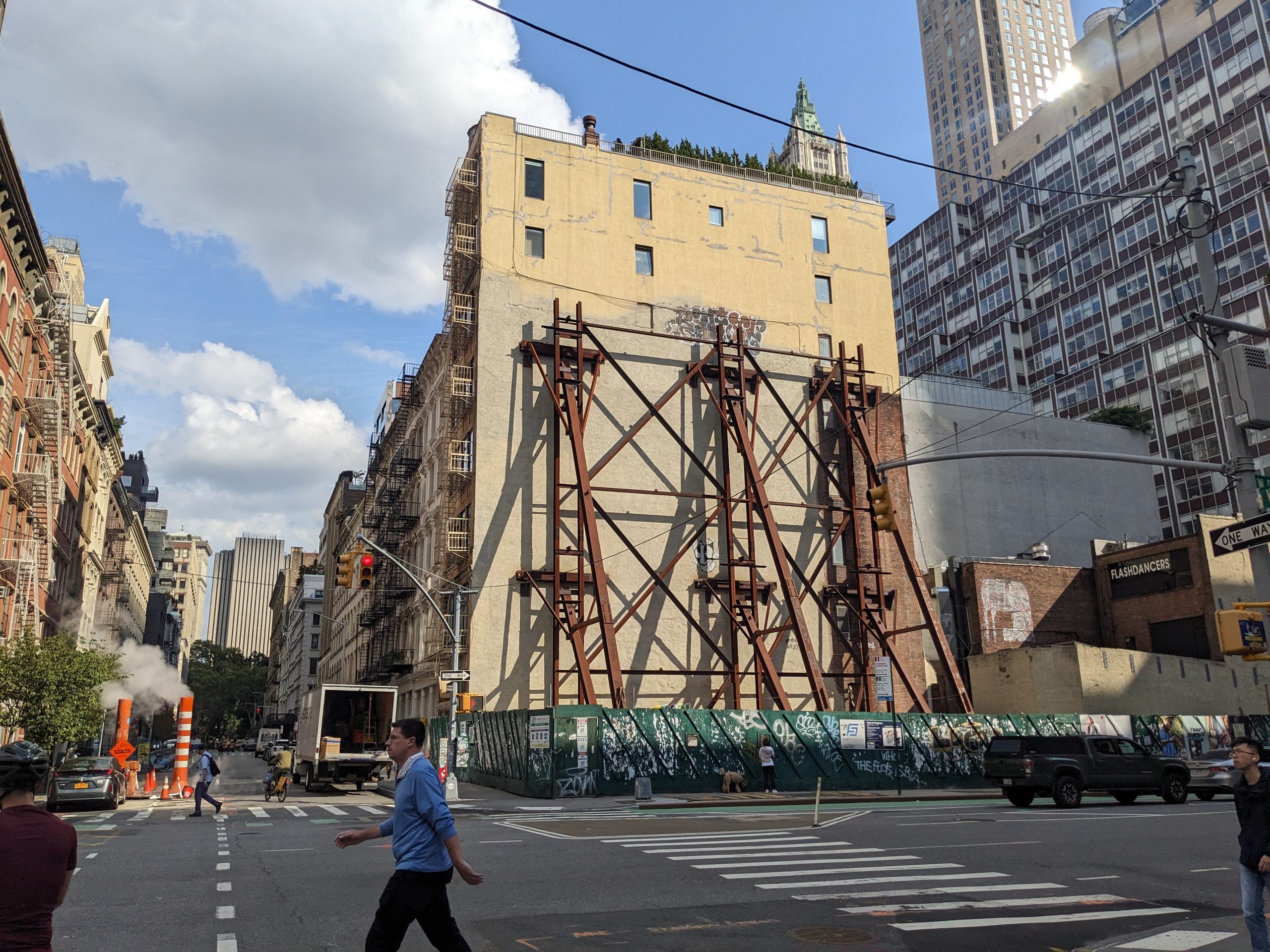
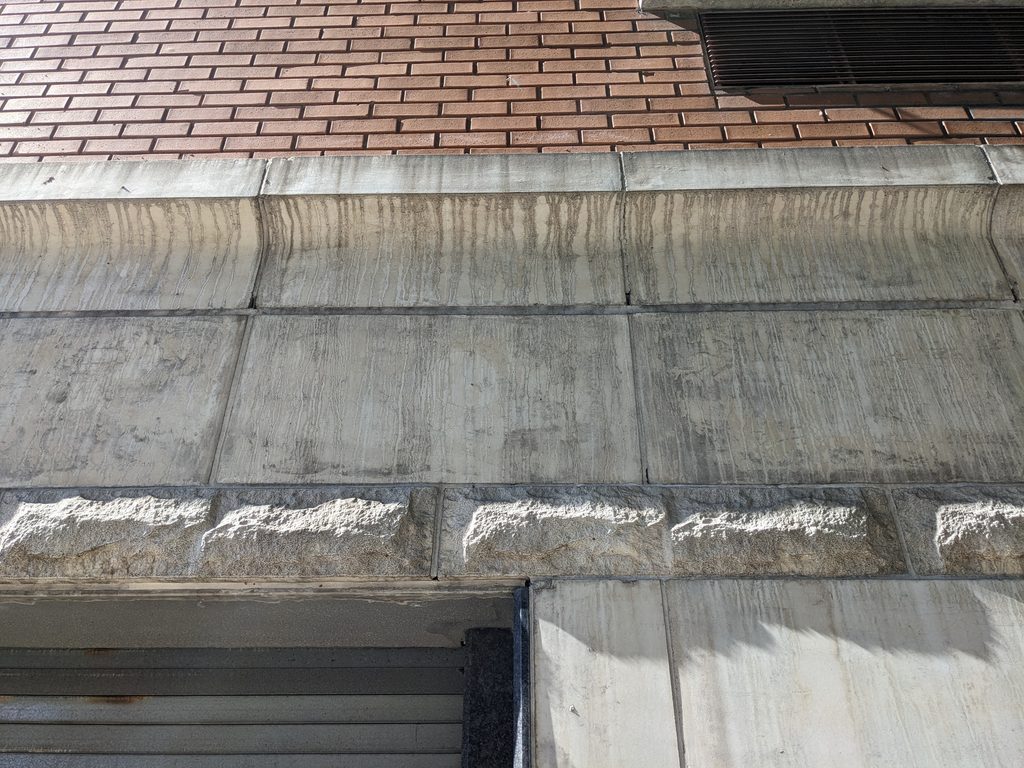
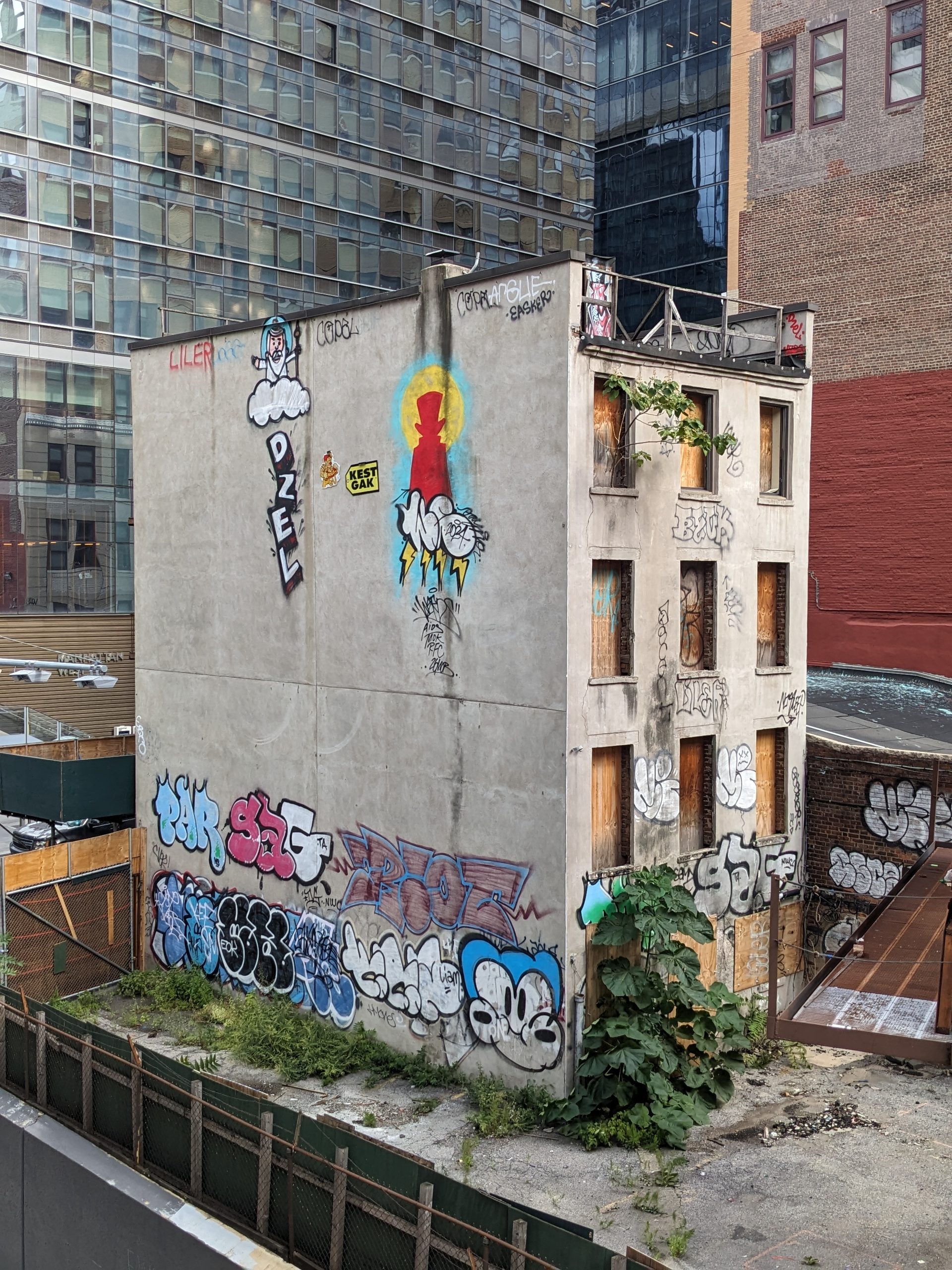
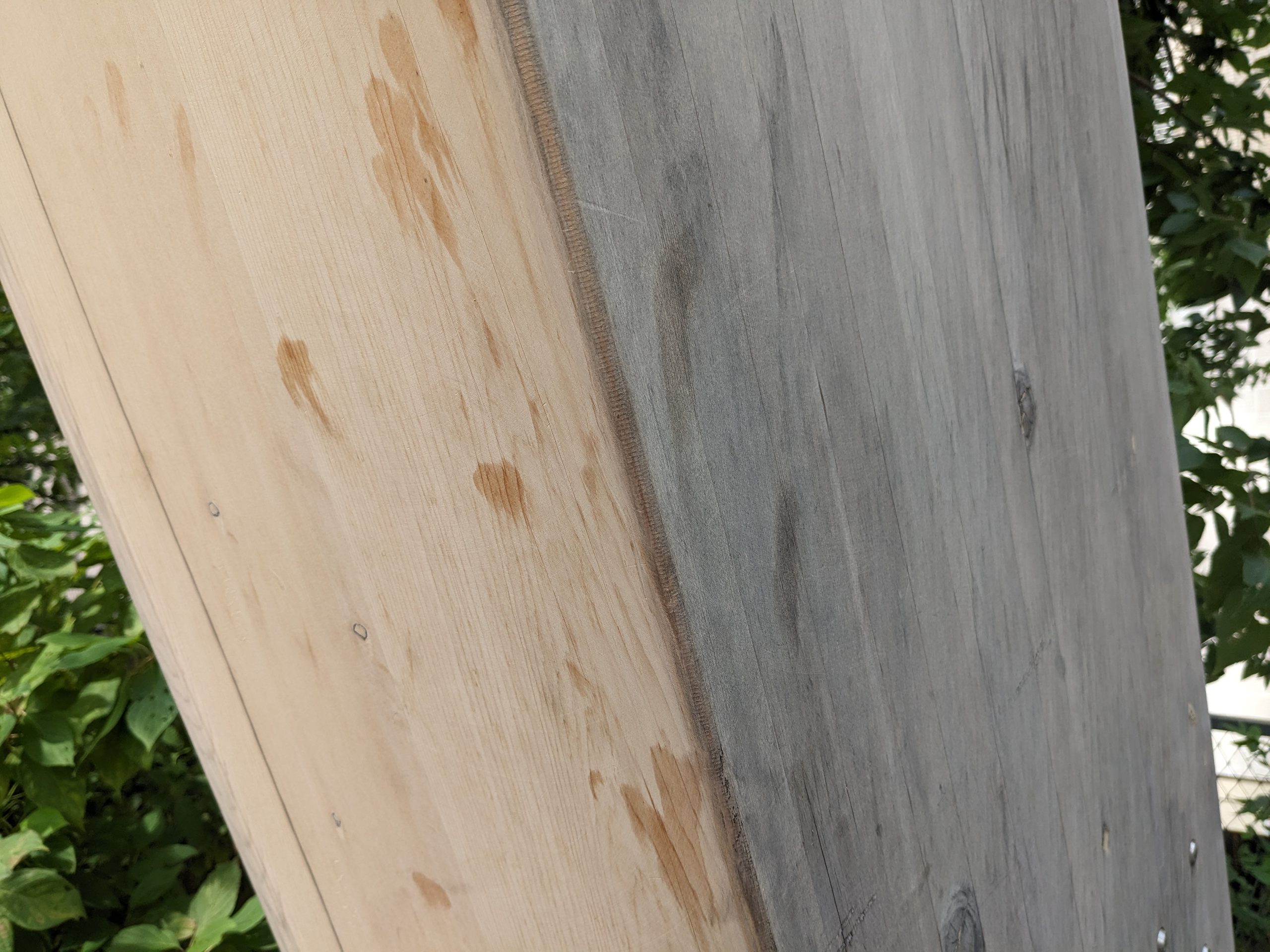
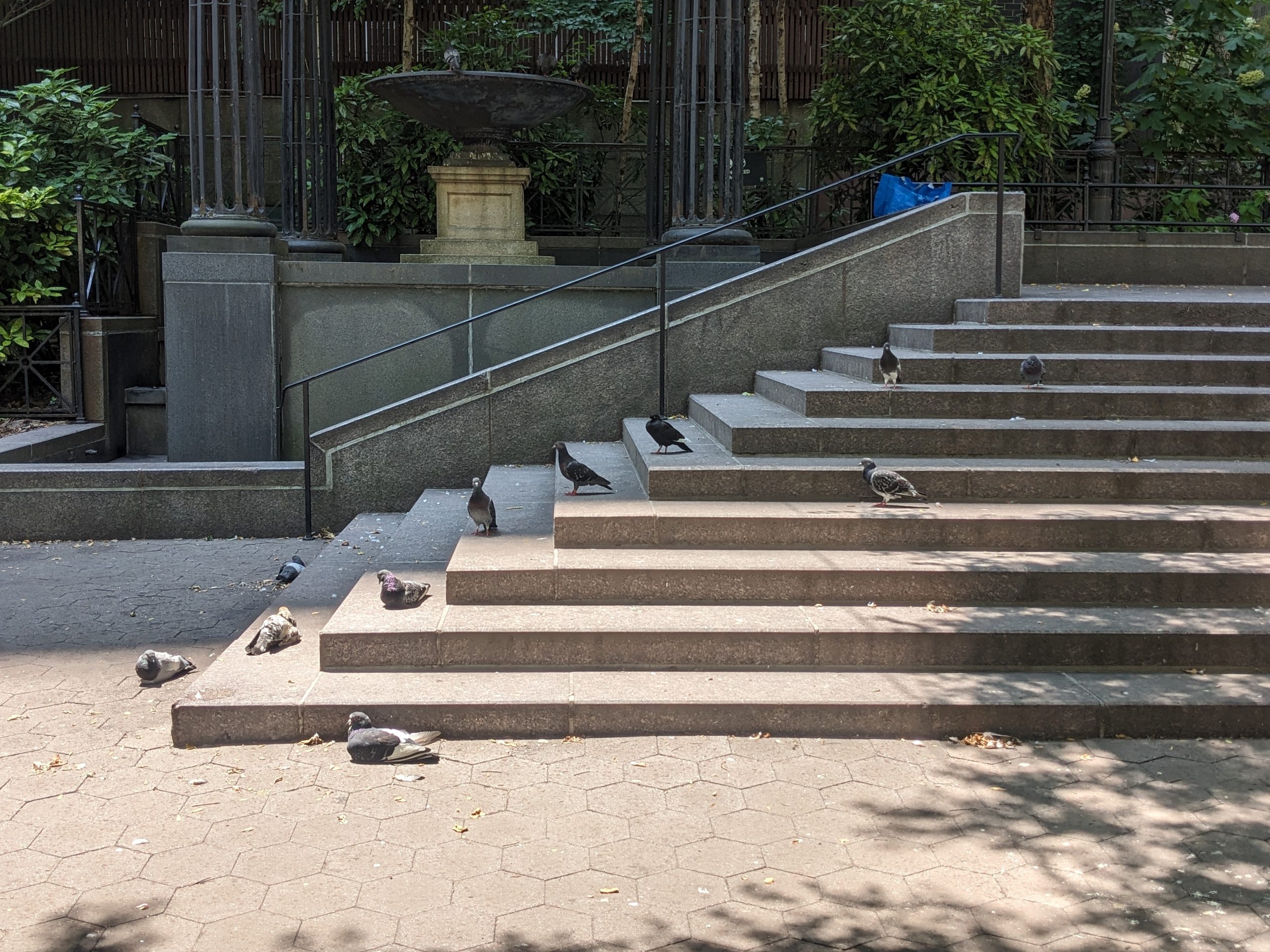
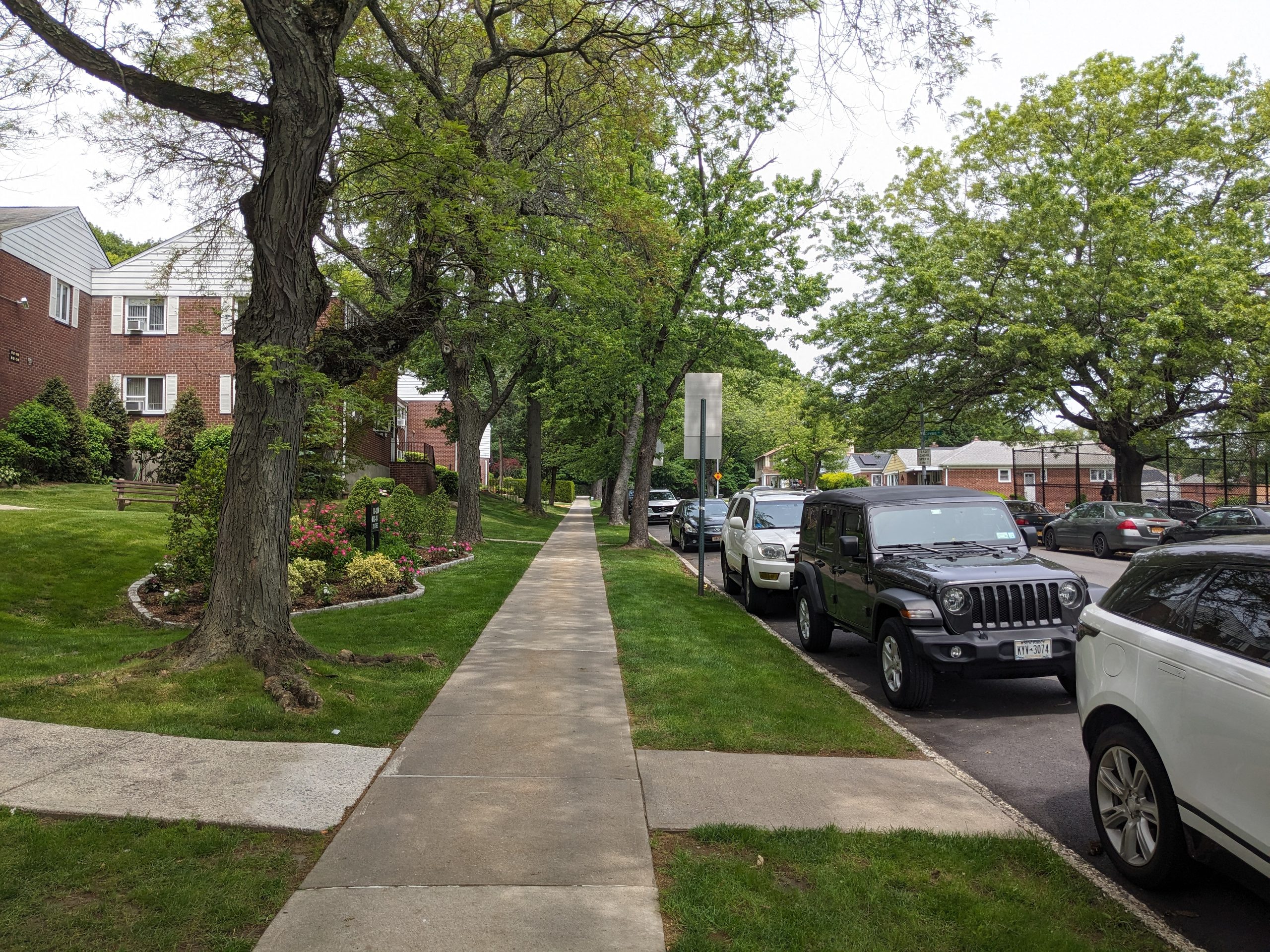
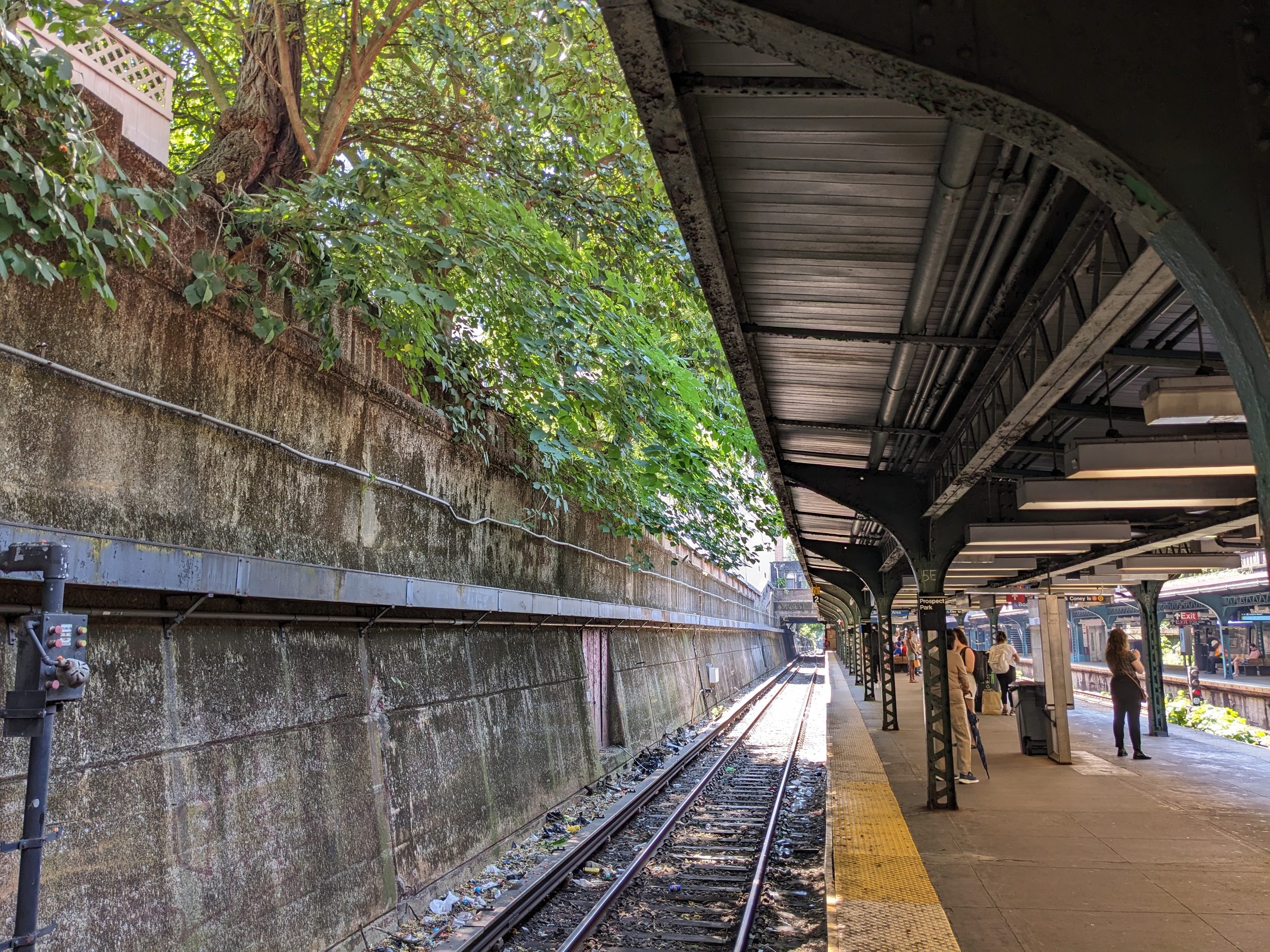
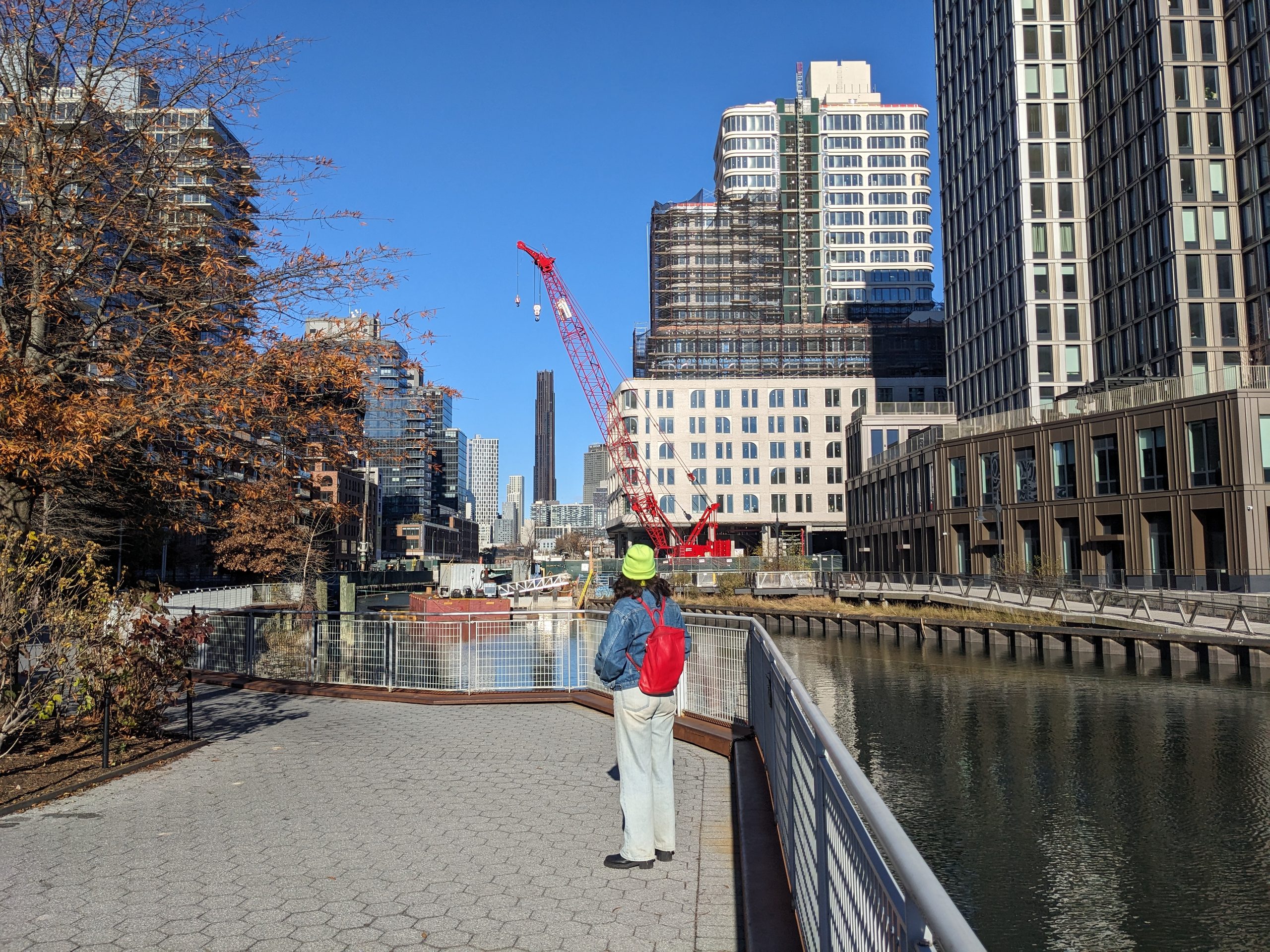
Here’s a gathering of though-provoking photographs to get us started.